
pictorialism
Pictorialism is an international style and aesthetic movement that dominated photography during the later 19th and early 20th centuries. There is no standard definition of the term, but in general it refers to a style in which the photographer has somehow manipulated what would otherwise be a straightforward photograph as a means of creating an image rather than simply recording it. Typically, a pictorial photograph appears to lack a sharp focus, is printed in one or more colors other than black-and-white and may have visible brush strokes or other manipulation of the surface. For the pictorialist, a photograph, like a painting, drawing or engraving, was a way of projecting an emotional intent into the viewer’s realm of imagination. Pictorialism as a movement thrived from about 1885 to 1915, although it was still being promoted by some as late as the 1940s.
-

Gertrude Stanton Käsebier (1852–1934): The Most Influential Female Photographer of the 20th Century. Gertrude took up photography in middle age and was soon praised by the renowned promoter Alfred Stieglitz as “beyond dispute the leading portrait photographer in this country.” Gertrude Käsebier left her husband when she was already 37 years old.…
-

This is Australia – is BCG Brisbane Camera Group set subject for February 2025 Club’s Competition. What do you think?
-
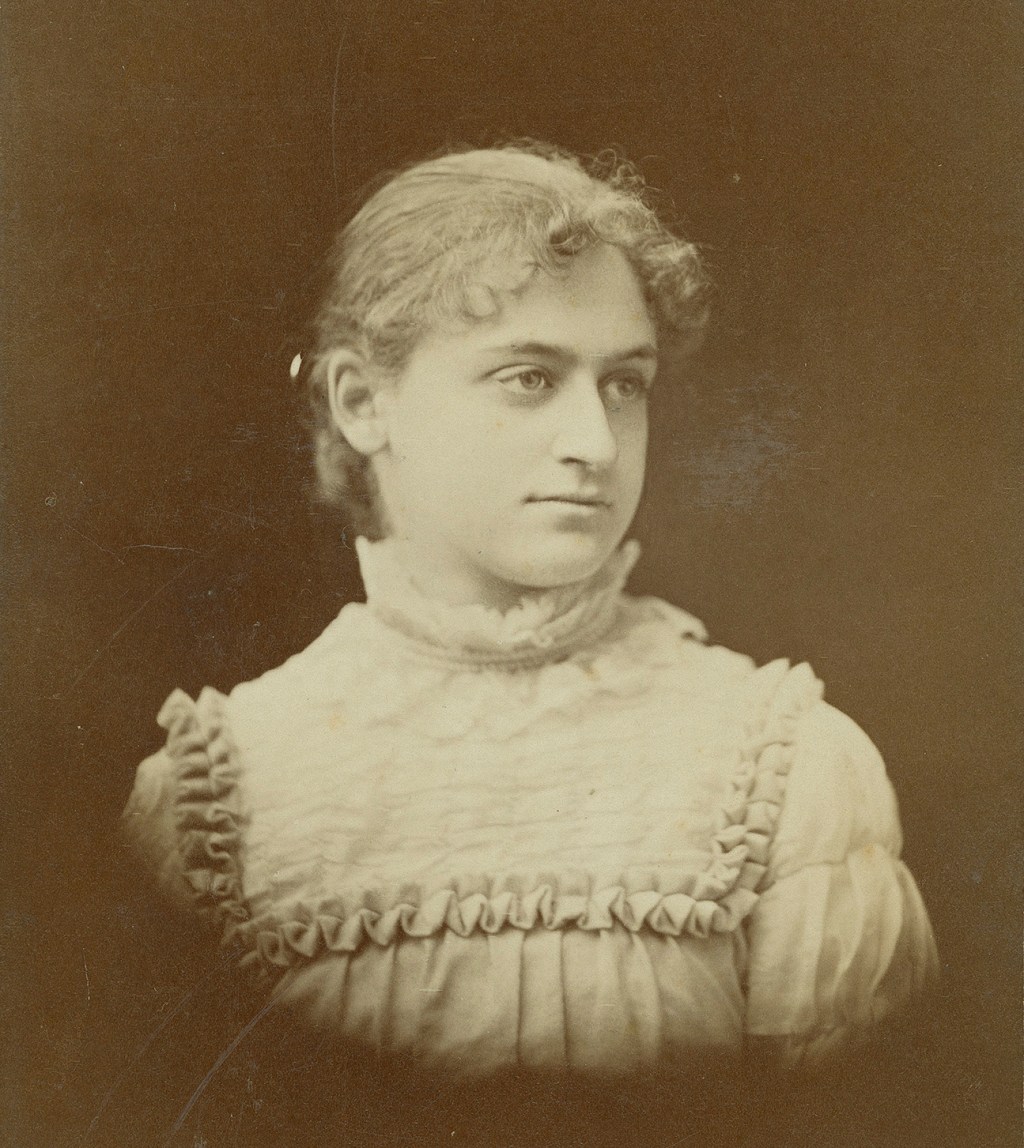
THE highest praise — supposedly praise — which is ever applied to a print, is, that it does not look like a photograph, meaning the ordinary, hard, retouched reproduction, which people in general are accustomed to see. It is this latter thing, which the public have had so long as…
-
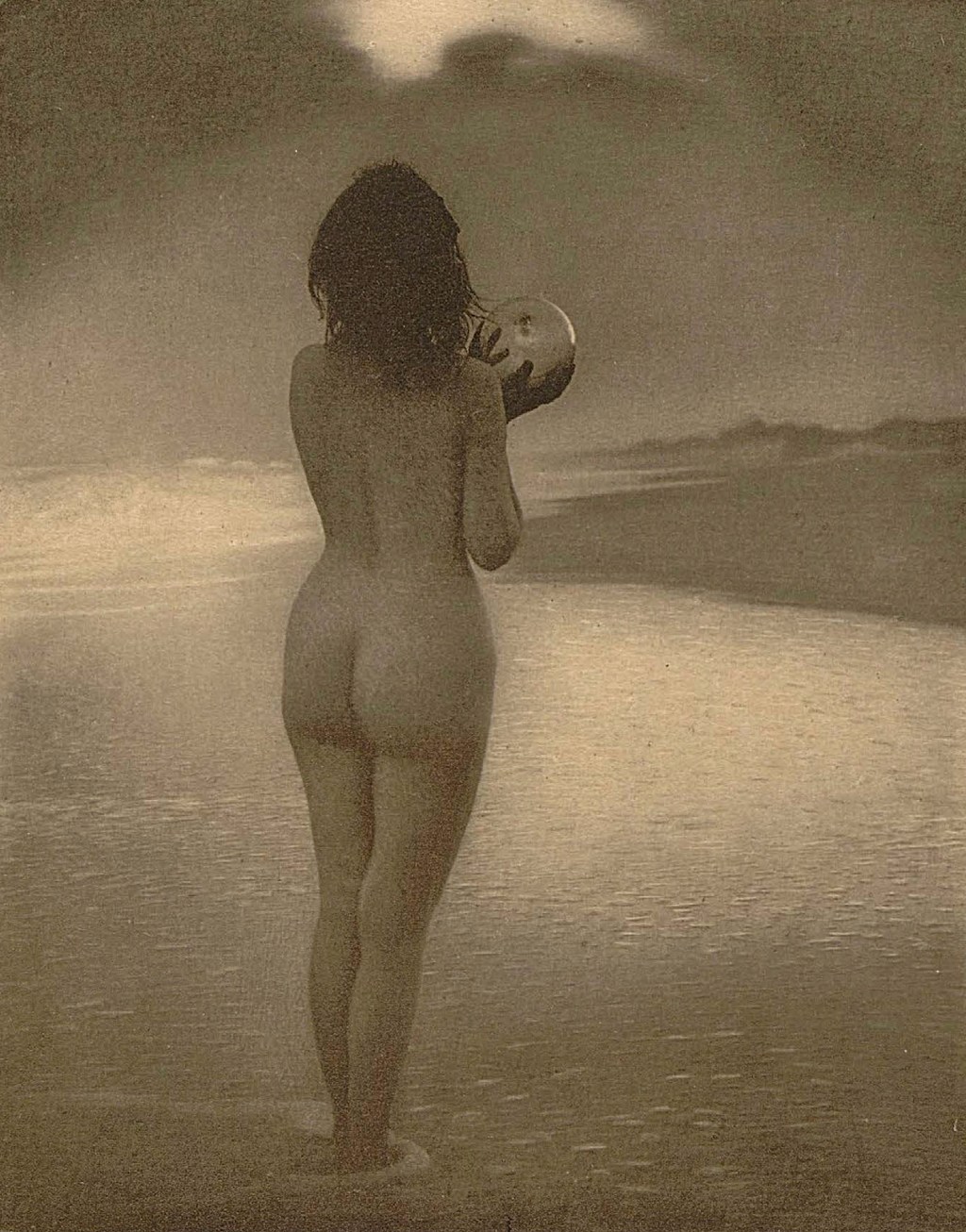
As Alice Boughton’s became noticed by famous photographers in her field, like Alfred Stieglitz. He knew of and admired her work and by 1902 he included two of her works in the inaugural exhibition at his 291 Art Gallery in New York City.
-

Did you know that the world’s first photomontage was created in 1858 by superimposing negatives on top of each other?
 Couple of Words